3 Hidden Reasons Your Refrigerator Ice Maker Stopped Working
Reaching your glass into the freezer dispenser only to be met with total silence is incredibly disappointing. When your refrigerator ice maker stopped working out of nowhere, it disrupts everything from morning iced coffees to evening entertaining. The service technicians at Dexterous Appliance Repair frequently help homeowners in Columbia, MD get to the bottom of these frustrating cooling failures. Finding out why your appliance stopped producing cubes requires looking past the surface level.
An automatic ice maker relies on a perfect sequence of water flow, precise temperature control, and mechanical ejection. If any one of these elements falls slightly out of balance, the entire production line grinds to a halt. The problem might be hidden behind the back panel or buried deep inside the freezer coils. Here are the three most common hidden reasons your machine has stopped dropping ice.
What to Check Today
- Tip #1: Inspect the Water Inlet Valve Assembly
- Tip #2: Verify Exact Freezer Compartment Temperatures
- Tip #3: Inspect the Fill Tube for Ice Blockages
- Frequently Asked Questions
- Getting Your Ice Supply Back on Track
Tip #1: Inspect the Water Inlet Valve Assembly
The most critical component of the ice making process is located far away from the freezer compartment itself. The water inlet valve sits at the very bottom rear of the refrigerator, connecting your home plumbing to the appliance.
- Solenoid failure: The electrical coils on the valve can burn out over time, meaning the valve receives the signal to open but mechanically fails to let water pass through.
- Clogged filter screens: Hard water minerals and sediment from your house pipes often clog the tiny metal screen located just inside the valve connection.
- Low water pressure: A professional will check your home supply line, because inlet valves require a minimum of 20 PSI to force the internal plunger open fully.
Tip #2: Verify Exact Freezer Compartment Temperatures
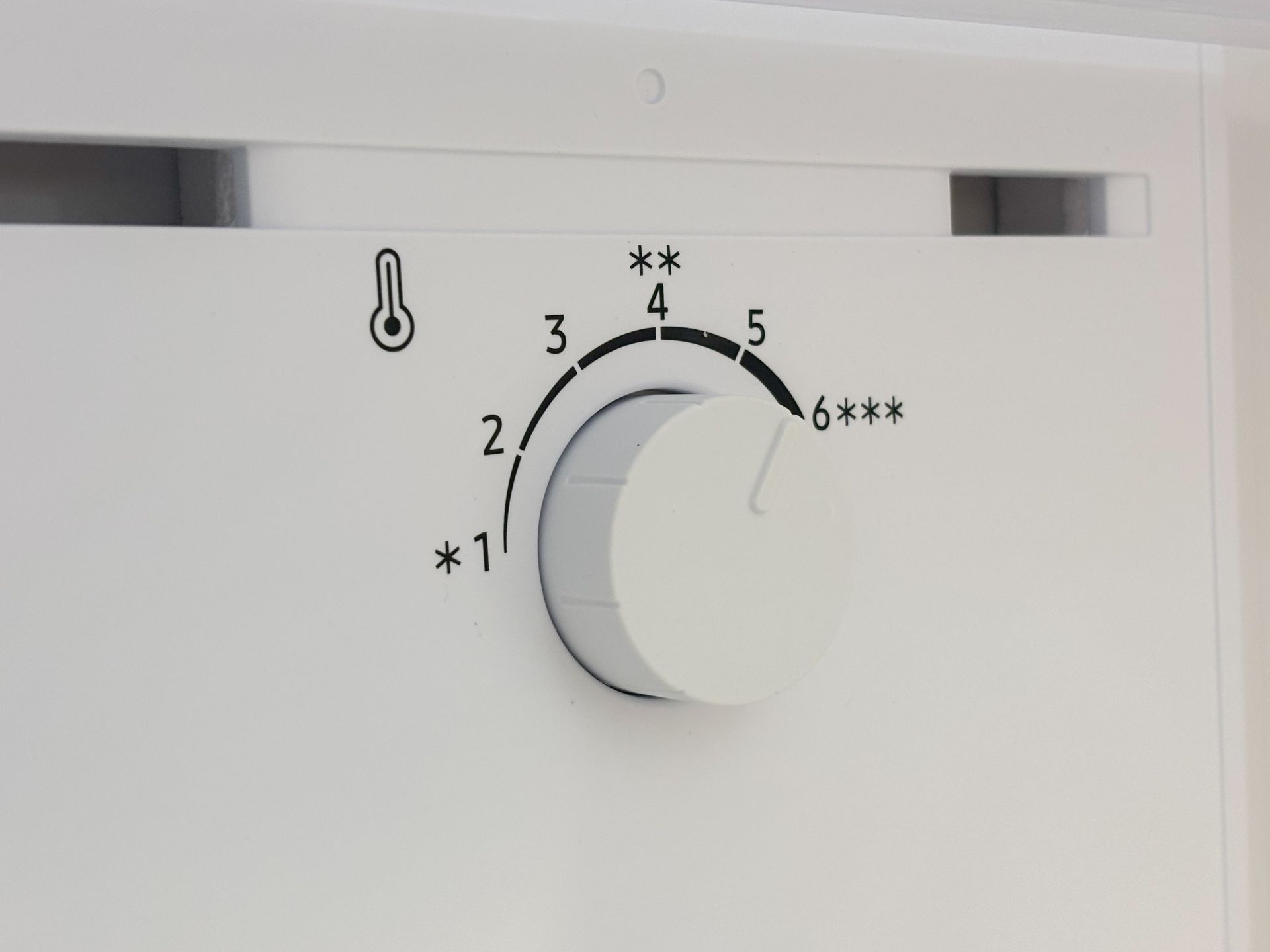
Your ice maker will intentionally refuse to cycle if it senses the surrounding air is too warm. The internal thermostat must read a specific low temperature before it signals the tray to eject the cubes and refill with fresh water.
- The zero degree rule: Most manufacturers design the ice maker to pause completely if the ambient freezer temperature rises above ten degrees Fahrenheit.
- Dirty condenser coils: A thick layer of pet hair and dust on the condenser coils beneath the fridge will prevent the compressor from removing heat efficiently.
- Frost bound evaporators: If the defrost heater fails, ice builds up on the internal evaporator fan, causing the freezer to warm up just enough to pause ice production.
Tip #3: Inspect the Fill Tube for Ice Blockages
Sometimes the water valve works perfectly, but the water never actually reaches the ice mold. The small plastic fill tube that directs water down into the tray is highly susceptible to freezing solid if water pressure is slightly off.
- The slow drip freeze: If the inlet valve is failing to close completely, a slow drip of water will freeze layer by layer inside the fill tube until it forms a solid plug.
- Hair dryer hazards: Do not attempt to melt a fill tube blockage with a heat gun or high powered hair dryer, as this will quickly melt the surrounding plastic ceiling liner.
- Specialized steamers: A trade technician will use a targeted low heat steamer to safely melt the internal blockage without warping the delicate plastic water lines.
Frequently Asked Questions
How do I unfreeze my ice maker water line?
The safest way to thaw a frozen line is to unplug the refrigerator, open the freezer doors, and let the entire unit sit at room temperature for a few hours. If you need a faster fix, a technician will remove the ice maker assembly entirely and use a specialized food safe steamer to inject hot moisture directly into the frozen fill tube until the blockage releases.
How do I reset my refrigerator ice maker?
Many modern units feature a small reset button located under the bottom edge of the motor housing. You simply hold the button for five seconds until the tray begins to cycle manually. For older models without a button, turning the appliance off at the breaker for five minutes will reset the logic board and force the motor to cycle once power is restored.
Why is my ice maker producing hollow cubes?
Hollow or extremely small cubes point directly to a water supply issue. The tray is not filling up with the required volume of water before the freezing cycle begins. This usually indicates a clogged household water filter, a failing water inlet valve, or a saddle valve on your plumbing pipe that is not opened wide enough.
Getting Your Ice Supply Back on Track
Living without a working ice dispenser turns every cold drink into a hassle and forces you to buy heavy bags of ice from the store. Once you confirm the internal freezer temperature is correct, digging into the mechanical valves requires an expert eye. Do not risk damaging the delicate plastic water lines by aggressively chipping away at frost buildup. Reach out to a reliable local appliance expert who can accurately pinpoint the exact part causing your ice maker to stall.
Share This Blog