Heavy Clothing Season Means Heavy Dryer Loads: Check Your Belts
The transition to cooler weather brings out heavy denim jeans and thick woolen sweaters. While these items keep you warm, they place an enormous mechanical strain on your laundry room equipment. At Dexterous Appliance Repair, we notice a massive spike in service calls from Clarksville, MD during the fall months when drive belts suddenly snap under the weight of wet winter clothing. Understanding how heavy clothing season impacts your appliance can help you prevent a frustrating breakdown.
A clothes dryer relies on a thin rubber belt to rotate a metal drum filled with heavy wet fabric. When you switch from drying lightweight summer t-shirts to tumbling heavy winter blankets, the tension on that belt doubles instantly. If the rubber is already old and brittle, the sudden increase in friction will tear it apart mid cycle. Taking action now ensures your laundry routine continues without interruption when the cold weather sets in.
In This Article
- Stage 1: Assess the Belt and Motor Condition
- Stage 2: Schedule Preventative Maintenance Now
- Stage 3: Protect the Hardware During Heavy Use
- Frequently Asked Questions
- Keeping Your Laundry Routine on Track
Stage 1: Assess the Belt and Motor Condition
Before you load your first batch of heavy winter coats, you need to listen closely to how your appliance operates. The machine provides clear acoustic clues when the internal rubber components are nearing the end of their lifespan.
- Listen for Squeaks: A high pitched squealing sound during the first five minutes of operation indicates the rubber belt is slipping against the metal motor pulley.
- Check Drum Resistance: Open the door while the unit is off and spin the drum by hand to feel for a smooth rotation without any heavy catching or grinding.
- Inspect the Lint Trap: Examine the lint screen for tiny bits of black rubber dust, which is a prime indicator that the drive belt is shredding itself inside the cabinet.
Stage 2: Schedule Preventative Maintenance Now
Waiting for the machine to stop spinning completely often leads to further internal damage. When a drive belt snaps, the tensioner pulley can smash against the motor housing and break additional plastic parts.
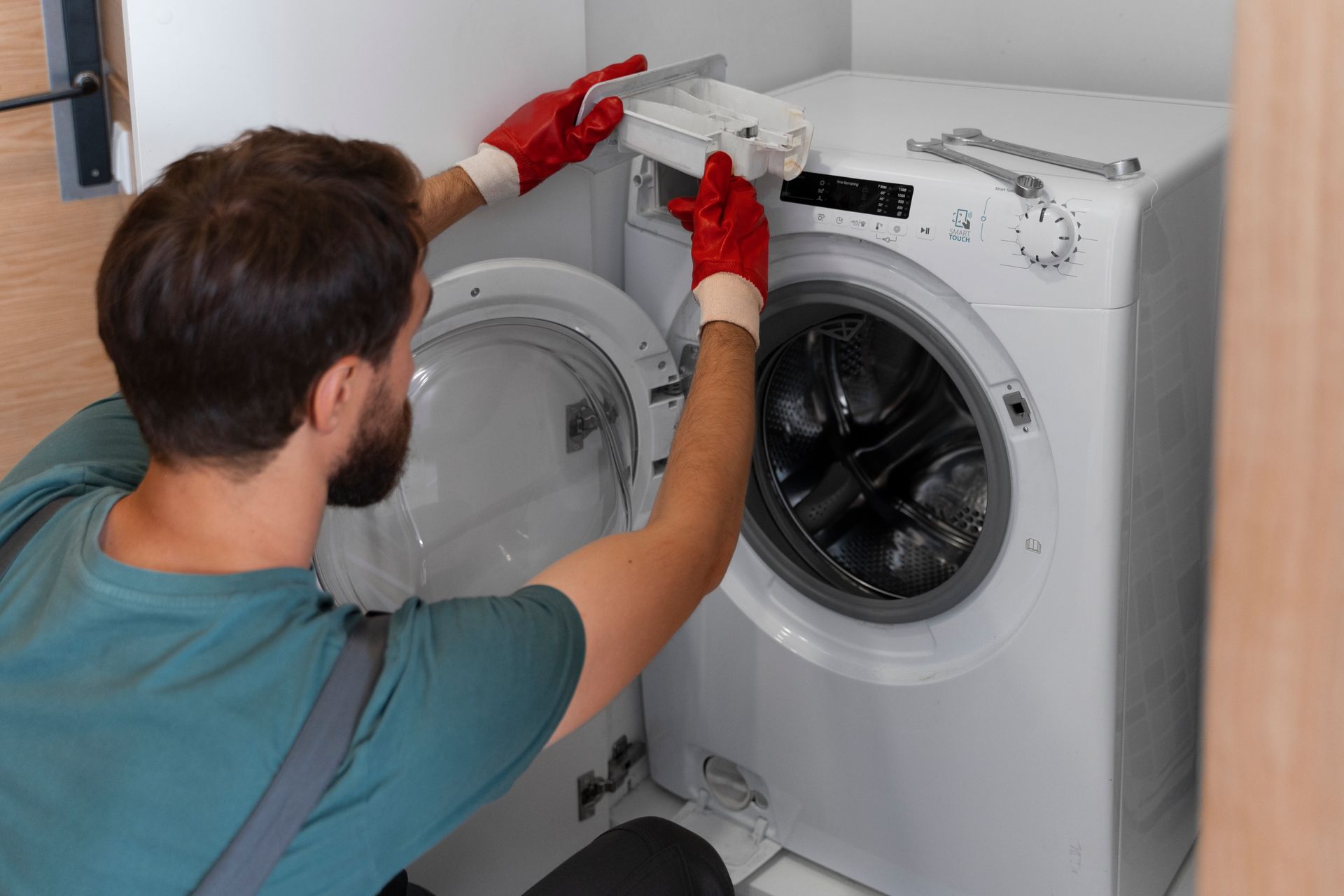
- Book an Inspection: Call a local technician to open the cabinet and visually inspect the condition of the drive belt before it actually fails.
- Replace the Idler Pulley: Ask the technician to replace the idler pulley wheels at the same time as the belt since these plastic wheels often warp under heavy loads.
- Vacuum the Cabinet: Have the professional vacuum all the accumulated lint out of the motor housing to prevent overheating when drying heavy loads.
Stage 3: Protect the Hardware During Heavy Use
Once your machine is mechanically sound, you must change how you operate it during the colder months. Adjusting your habits reduces the physical stress on the motor and extends the life of the new drive belt.
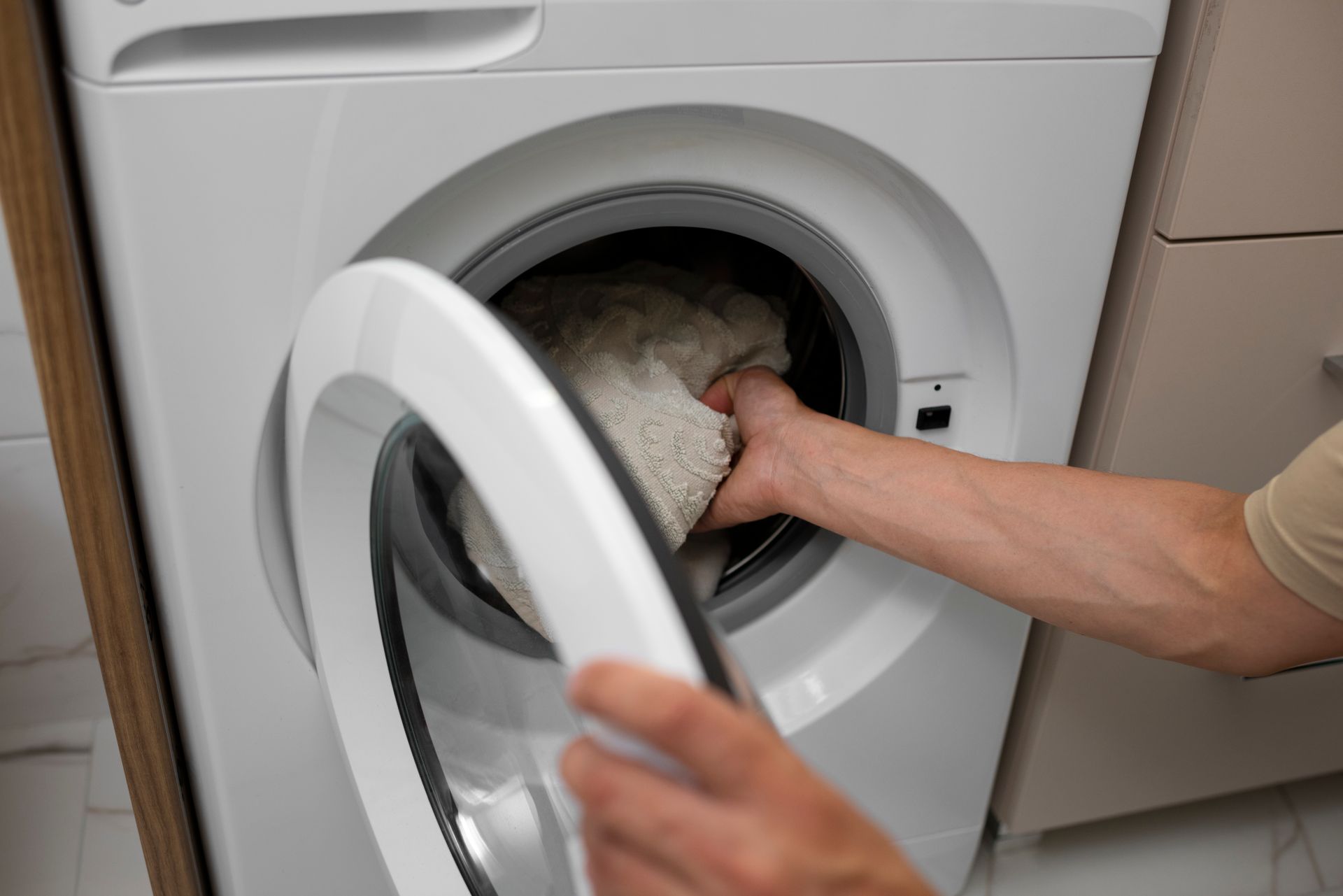
► Never fill the drum more than halfway when washing heavy towels or denim jeans because the excess weight destroys the motor bearings instantly.
- Sort by Weight: Dry heavy cottons separately from lightweight synthetics so the machine does not have to tumble the heavy items longer than necessary.
- Clean the Moisture Sensor: Wipe down the metal sensor bars inside the drum with rubbing alcohol so the unit knows exactly when to stop tumbling the heavy fabrics.
- Check the Venting: Ensure the exterior exhaust vent is completely clear of lint buildup so the heavy clothing dries faster and the motor runs for a shorter duration.
Frequently Asked Questions
How long do dryer drive belts usually last?
Under normal residential use, a standard rubber drive belt will last anywhere from five to seven years. However, if a household frequently processes heavy bedding or consistently overloads the drum, the belt will stretch and become brittle much faster. A technician can gauge the remaining lifespan by checking the rubber for micro cracks and severe glazing.
What does a bad dryer belt sound like?
A failing belt typically produces a rhythmic thumping sound as the stretched or frayed section passes over the tension pulley. You might also hear a loud metallic squeal when the cycle first starts, which is the sound of the electric motor spinning rapidly against a loose rubber belt that refuses to grip the drum.
Will a dryer still run if the belt is broken?
If the belt completely snaps, you will likely hear the electric motor humming and the blower fan moving air, but the metal drum will not spin at all. Most modern units have a safety switch on the tension pulley that immediately cuts power to the heating element when the belt breaks to prevent a fire hazard.
Keeping Your Laundry Routine on Track
A snapped belt leaves you with a pile of wet, heavy clothing that takes days to air dry indoors. Taking the time to assess your equipment before the cold weather arrives is the smartest way to avoid a stressful mechanical failure. Give your appliance the support it needs to handle those thick blankets and heavy jeans. Reach out to a qualified repair team today to schedule your seasonal maintenance and keep your laundry room running smoothly.
Share This Blog