Gas Stove Clicking But No Flame? Why Igniters Fail Over Time
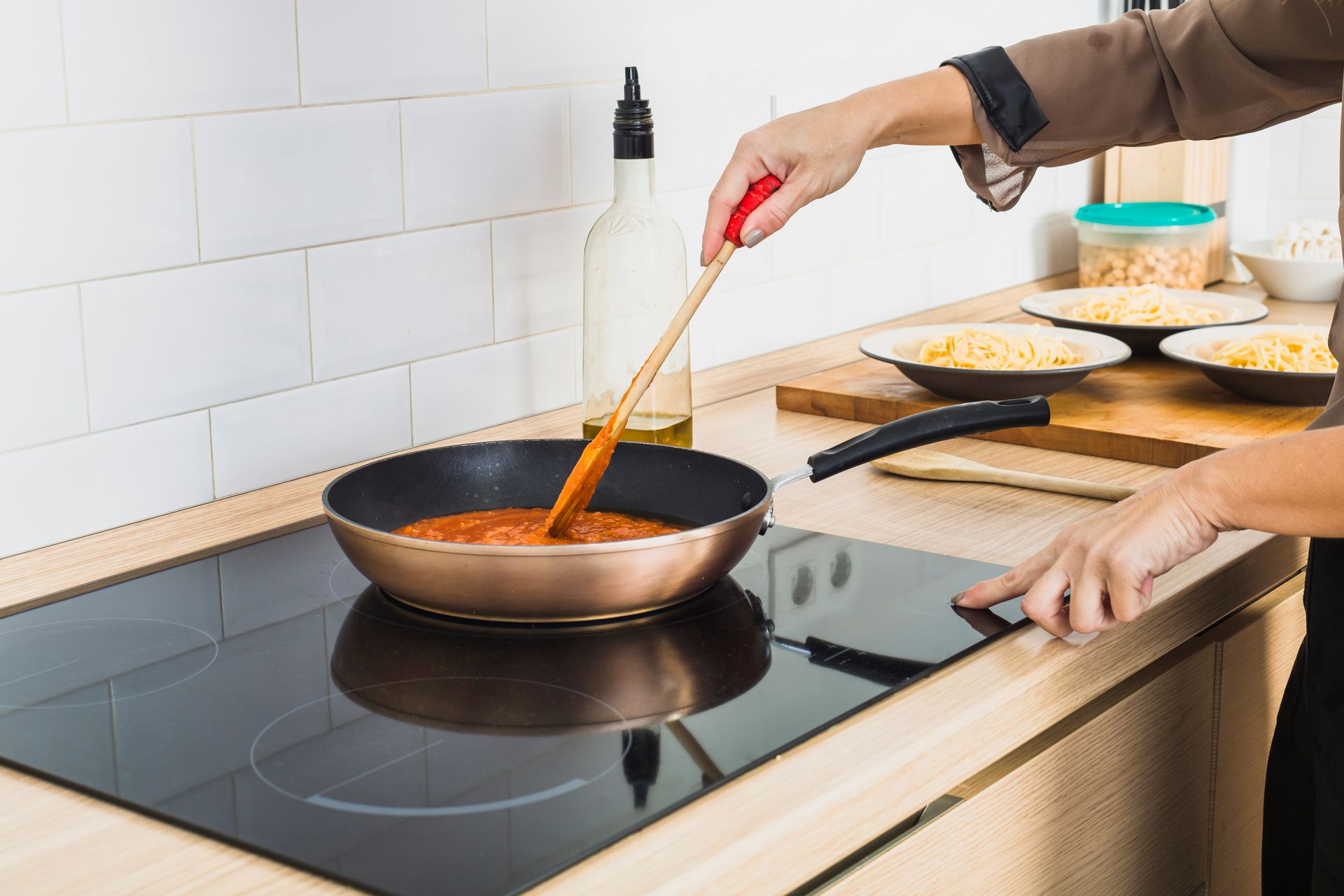
Standing in the kitchen listening to a relentless clicking sound without seeing a flame is a stressful experience. A gas stove clicking but no flame issue means you are releasing combustible fuel into the air without igniting it properly. The professionals at Dexterous Appliance Repair routinely handle this exact scenario for residents in College Park, MD who rely on their gas ranges for daily cooking. Addressing an ignition failure quickly is crucial for the safety of your home and the functionality of your kitchen.
The ignition system on a modern gas stovetop relies on a delicate sequence of electrical signals and precise gas flow. When you turn the knob, a spark module generates high voltage electricity that jumps across a small gap at the burner head. If any part of this sequence is dirty, misaligned, or electrically degraded, the spark will fail to ignite the gas. Breaking down the specific points of failure helps you understand why a professional repair is the safest path forward.
Inside This Repair Guide
- Moisture and Food Debris Blocking the Igniter
- Degraded Spark Modules Failing Over Time
- How do you fix a gas stove that clicks but won't light?
- Misaligned Burner Caps Disrupting Gas Flow
- Why DIY Attempts Often Make Things Worse
- Getting Your Kitchen Running Safely
Moisture and Food Debris Blocking the Igniter
The most common reason for a clicking burner is physical obstruction on the ceramic igniter itself. Boiling over a pot of pasta water or spraying too much degreaser directly onto the burner head creates a barrier over the electrical contact. If the ceramic piece is coated in grease or soaked in water, the electrical spark will ground out against the wet debris instead of jumping across the gap to the metal burner cap.
→ A quick tip to remember: If the clicking problem starts immediately after you scrubbed the stovetop, residual moisture trapped in the burner housing is almost certainly the culprit.
Allowing the burner to dry completely often resolves the issue if water is the only problem. However, baked on grease acts as a permanent insulator that prevents the spark from reaching the gas. A technician will carefully clean the tiny ignition port using specialized wire tools to restore the proper electrical path without cracking the fragile ceramic housing.
Degraded Spark Modules Failing Over Time
If the burners are perfectly clean and dry but the clicking continues without a spark, the issue likely stems from the internal spark module. This hidden electrical box takes standard wall voltage and steps it up to create the powerful arc needed for ignition. Over years of daily use, the internal solid state components inside the module break down and lose their ability to generate a strong spark.
→ From a professional standpoint: A weak spark might look slightly yellow or orange instead of a crisp bright blue, and a weak spark simply does not have the heat energy to ignite natural gas.
Diagnosing a faulty spark module requires accessing the internal wiring harness beneath the stovetop. A technician will use a multimeter to verify that the switches behind each burner knob are sending the correct signal to the module. If the module is receiving power but failing to output high voltage, the entire control box requires replacement.
How do you fix a gas stove that clicks but won't light?
Fixing a clicking gas stove starts with shutting off the gas supply valve behind the appliance for safety. A professional will then remove the burner grates and caps to inspect the white ceramic igniters for hairline cracks or severe grease buildup. If cleaning the igniter port with a soft brush fails to produce a strong blue spark, the technician will lift the main top to test the wire continuity leading back to the electronic spark module.
Misaligned Burner Caps Disrupting Gas Flow
Sometimes the spark is perfectly strong, but the gas never reaches it. The heavy metal caps that sit on top of the burners are designed to distribute the gas evenly toward the spark gap. If a cap is bumped slightly off center by a heavy pot, the gas will flow out the opposite side of the burner entirely.
The igniter will sit there clicking endlessly because the fuel is completely bypassing the spark. We frequently find that homeowners inadvertently create this problem by improperly reinstalling the caps after a deep cleaning session. Ensuring the caps sit completely flat and lock into their designated grooves is a simple but critical detail.
Why DIY Attempts Often Make Things Worse
Trying to fix gas appliance ignition systems using internet tutorials is a high risk gamble. Many homeowners attempt to bend the metal spark electrode closer to the burner to force an arc, which instantly shatters the brittle ceramic base. Once the ceramic is cracked, the spark will arc downward into the stove chassis instead of upward into the gas flow, requiring a completely new wiring harness.
Working with the internal spark module also involves handling high voltage capacitors that hold a charge even when unplugged. Furthermore, tampering with the gas valves behind the knobs can result in silent fuel leaks inside the kitchen. A trained technician understands exactly how to test these electrical circuits safely and verify that the gas connections are perfectly sealed.
Getting Your Kitchen Running Safely
A stovetop that clicks endlessly makes cooking a frustrating and unsafe chore. Whether the problem is a grease clogged port or a burned out electrical module, getting an accurate diagnosis is the first step toward a permanent solution. Do not tolerate the smell of unburned gas in your home. Contact a local trade professional who can safely repair your ignition system and restore your confidence in your kitchen appliances.
Share This Blog