Finding the Source of Your Washing Machine Leak Before You Call
Walking into your laundry room to find a puddle of water creeping across the floor is a frustrating experience for any homeowner. A leaking washer disrupts your entire weekly routine and threatens to damage the flooring and drywall if left unchecked. At Dexterous Appliance Repair, we guide clients in Burtonsville, MD through these exact scenarios on a weekly basis. Knowing what to look for before a technician arrives can save you time and help pinpoint the exact nature of the mechanical failure.
There are dozens of potential failure points on modern laundry machines, ranging from simple loose hoses to cracked internal pump housings. Before you shut off the water valves and start mopping, taking a few minutes to trace the water trail provides incredibly useful diagnostic clues. Identifying the source of your washing machine leak helps you communicate clearly with a repair professional and ensures you get the right parts ordered the first time.
Inside This Guide
- Tracking Down the Water Trail
- Where is the most common place for a washing machine to leak?
- Red Flags to Watch For in Repair Providers
- Questions to Ask Before You Book
- Taking Control of Your Laundry Room
Tracking Down the Water Trail
The position of the puddle and the timing of the leak are your best diagnostic tools. Water pooling directly behind the machine usually points to the supply hoses or the drain pipe connection. If the leak only occurs during the agitation cycle, you might be dealing with a faulty tub seal or a loose internal clamp.
- Inspect the supply lines: Check the hot and cold water hoses where they meet the wall valves and where they thread into the back of the washer.
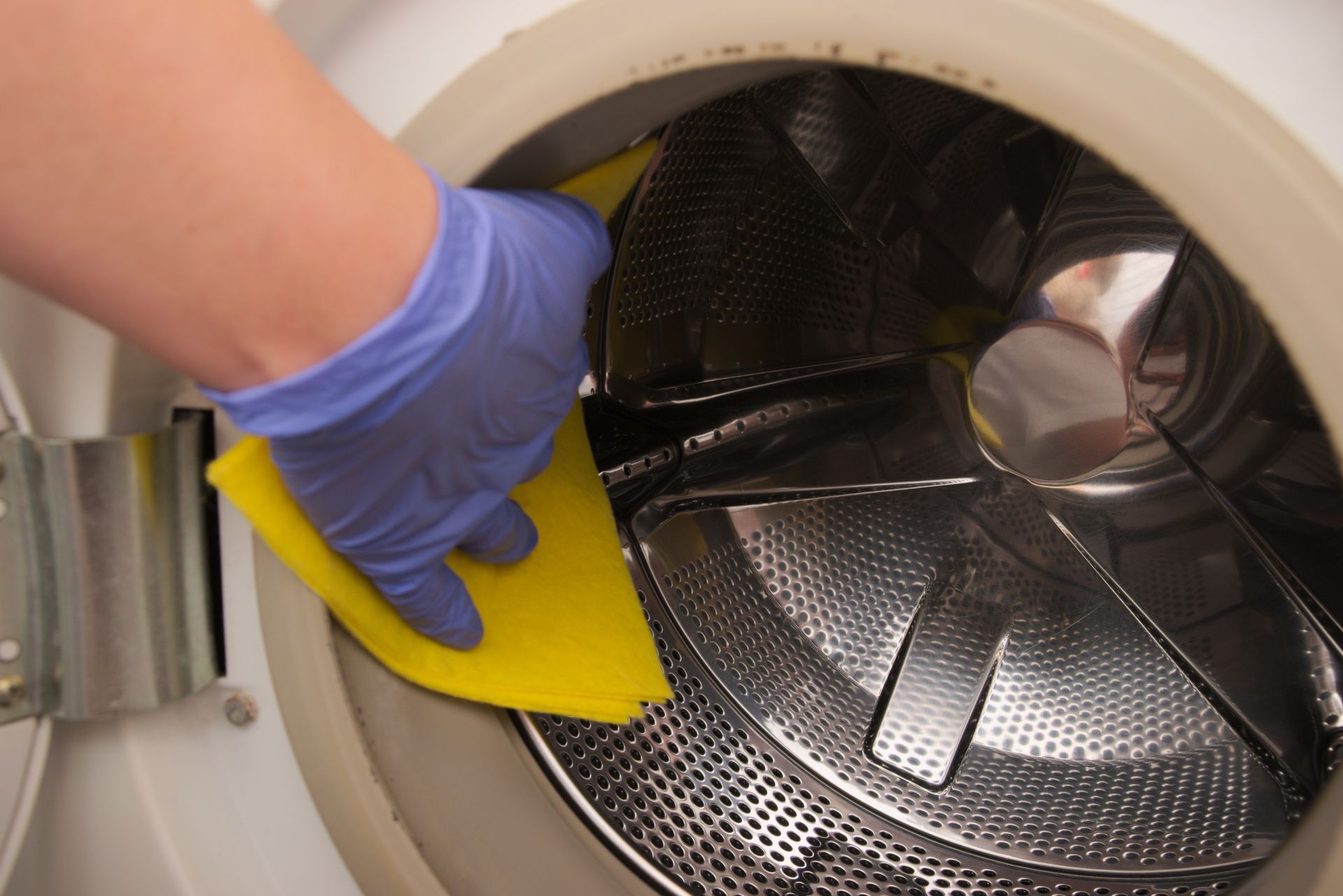
- Examine the door boot: On front loading machines, carefully pull back the rubber door gasket to look for tears, sharp objects, or heavy mold buildup that prevents a watertight seal.
- Check the drain pump filter: Many modern washers have an access panel on the lower front for the drain pump, and a loose filter cap will leak constantly.
Where is the most common place for a washing machine to leak?
The most common source of a washer leak is the water inlet valve assembly at the back of the machine. This component contains plastic solenoids that open and close to let water in, and over time the plastic housing cracks from hard water scale or high water pressure. Because this valve is under constant pressure from your home plumbing, it can leak even when the machine is completely turned off.
Red Flags to Watch For in Repair Providers
Inviting a service technician into your home requires trust, especially when dealing with active water leaks that demand urgent attention. Unfortunately, some companies take advantage of the panic a flooded floor causes. Being aware of industry red flags protects you from inflated bills and poor workmanship. You want a provider who is honest about whether repairing a major leak or drainage issue is actually worth your money.
- Vague pricing structures: Be wary of technicians who refuse to provide a clear labor rate or an estimate for common parts before tearing the machine apart.
- No local presence: Companies that operate entirely through national call centers often sub out the work to inexperienced local hands without verifying their trade knowledge.
- High pressure replacement tactics: A technician should never pressure you to scrap the machine and buy a new one before performing a complete diagnostic teardown.
It is a pattern the team at Dexterous Appliance Repair hears regularly from clients who were let down by other outfits.
► Client Experience: Got next day service. Plenty of convenient appointment windows from which to choose. Technician kept in touch with me by text to let me know he was on his way. He was very courteous and knowledgeable and was able to fix the problem in about five minutes. Highly recommended. - Sandy Bernstein
A professional will always treat your time with respect and focus entirely on solving the mechanical problem in front of them.
Questions to Ask Before You Book
Before you commit to a service call for a leaky washer or a failing dryer motor, you need to ask the right questions over the phone. Getting clear answers sets proper expectations and ensures the technician arrives prepared for your specific appliance model. A reputable company will gladly answer these questions without hesitation.
- Ask about their warranty: Do you guarantee the labor and the replacement parts if the leak returns in the exact same spot next week?
- Ask about vehicle stock: Do your technicians carry common supply hoses, drain pumps, and door gaskets for major brands on their trucks to finish the job in one trip?
- Ask about diagnostic fees: Does the initial diagnostic fee get applied toward the final cost of the repair if I decide to move forward with the work?
Taking Control of Your Laundry Room
A leaking washing machine does not have to ruin your week if you take a calm and methodical approach to finding the source. Once you have located the general area of the drip and shut off the water supply, you have done the hard part. Contact a trusted local appliance expert to replace the faulty hoses or seals and get your laundry routine back on schedule.
Share This Blog